 Dansk
 Deutsch
 English (UK)
 Español
 Français
 Italiano
 Nederlands
 Polski
 Suomi
 Svenska
How we test
Every flavor is tasted individually and scored out of 10. The leaderboard ranks all rated flavors of this product type by Suppligator score. Our methodology explains the criteria and weighting.
Product type
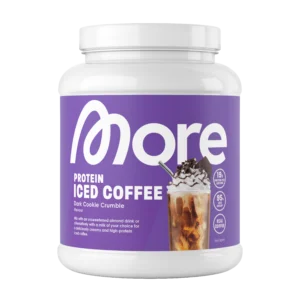
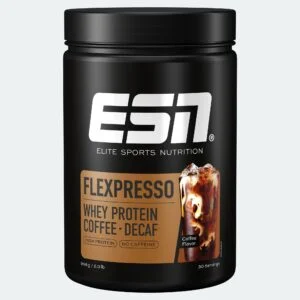
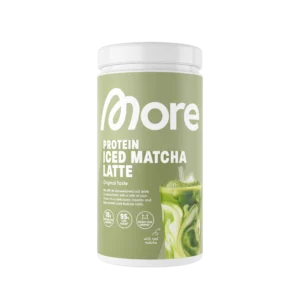
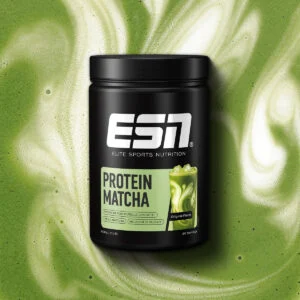
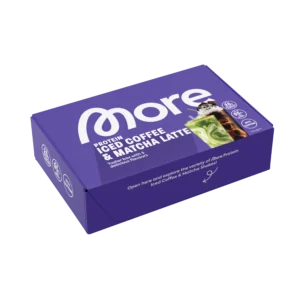
Protein Coffee Review: Protein Iced Coffee, Flexpresso, Cold Brew, as well as Matcha and Chai Latte from More Nutrition and ESN—each variety tasted individually.
10 products · 76 flavors tasted · Avg. rating 8.64
From our editorial taste test – every flavor rated individually (1–10). Updated: November 8, 2026
Every flavor is tasted individually and scored out of 10. The leaderboard ranks all rated flavors of this product type by Suppligator score. Our methodology explains the criteria and weighting.
Shop price – even cheaper with code SUPPLIGATOR
Shop price – even cheaper with code SUPPLIGATOR
Shop price – even cheaper with code SUPPLIGATOR
Shop price – even cheaper with code SUPPLIGATOR
Shop price – even cheaper with code SUPPLIGATOR
Shop price – even cheaper with code SUPPLIGATOR
More Nutrition
More Nutrition
Partner links (advertising) · The price stays the same for you.
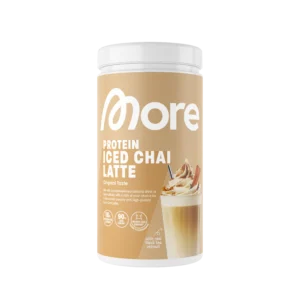
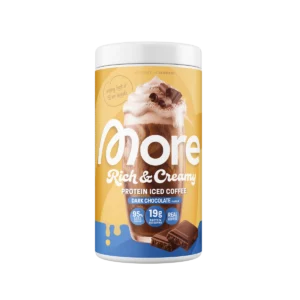
Protein coffee combines coffee and protein in a single drink—usually in the form of a powder mixed with instant coffee, which you shake with cold water or milk to make an iced coffee. Well-known examples include Protein Iced Coffee by More Nutrition and Flexpresso by ESN. There are also protein latte varieties with matcha or chai.
Most varieties contain caffeine; however, there are also decaffeinated versions. The amount of caffeine per serving is listed on the label.
For many people, a Protein Iced Coffeereplaces an afternoon coffee-to-go or a summer iced coffee—only as a shake with added protein. Whether you like it depends largely on the flavor: Some taste like a sweet café latte, while others are reminiscent of vanilla iced coffee or a caramel macchiato. That’s exactly why we taste each variety individually.
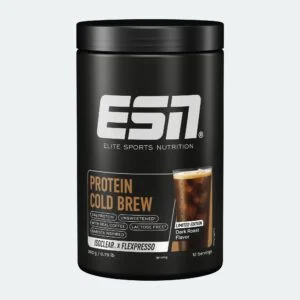
ESN’s Protein Cold Brew is a clear, rather than milky, version: According to the manufacturer, the Dark Roast variety is based on whey isolate, tastes like black cold brew, is unsweetened, and contains about as much caffeine as an espresso (around 80 mg per serving). Like Clear Whey, it is prepared with water.
Both brands offer protein coffee in their product lines, but they have different focuses. More Nutrition offers Protein Iced Coffee in a variety of dessert and café flavors; according to the manufacturer, it is intended to be prepared with cold water in a shaker; when mixed with milk or a plant-based beverage, it becomes creamier.
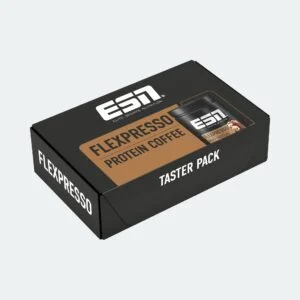
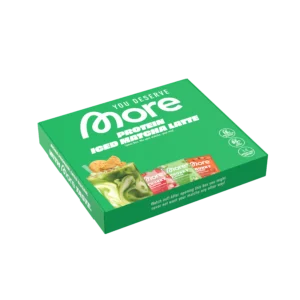
ESN offers protein coffee under the name Flexpresso, and has expanded the line to include latte varieties such as Iced Matcha Latte and Chai Latte, as well as the clear Protein Cold Brew. Conceptually, ESN thus covers both the sweet, milky iced coffee and the unsweetened, black coffee styles.
You can see which varieties are currently available in the comparison list above. Use the More Nutrition code or the SUPPLIGATOR code at ESN to save on both brands.
In addition to taste and solubility, the amount of caffeine is important here: Be sure to count protein coffee along with any other coffee, energy drinks, or boosters you consume on the same day. If you want less caffeine, opt for decaf varieties or matcha and chai options, each with their own distinct flavor profiles.
Tip: Put the liquid in the shaker first, then the powder—that way, less of it will stick to the bottom. It’s best to put the ice cubes in the glass first, not in the shaker.
We prepare each variety according to the manufacturer’s instructions—usually cold in a shaker with water, and with milk if the manufacturer recommends it. We rate the taste, coffee aroma, sweetness, consistency, solubility, and aftertaste, each on a scale of 1 to 10.
The rating always applies to the specific variety and is included in the rankings above. Our testing methodology explains exactly how we go about this.
It depends on whether you prefer sweet iced coffee, a latte with matcha or chai, or black cold brew. The list above shows the highest-rated varieties from our tasting—including decaf options.
That depends on the product and variety and is listed on the label per serving. Decaf varieties are decaffeinated but still contain trace amounts of caffeine.
Most powders are intended for use in cold preparations. When heated, the protein may clump—be sure to follow the manufacturer's instructions.
Both work. When made with water, the Protein Iced Coffee has a lighter taste; when made with milk or oat milk, it’s creamier and tastes more like a latte. The nutritional information on the package usually refers to the version made with water.
Protein Iced Coffee is made with instant coffee. Protein latte varieties, on the other hand, use matcha or chai as a base and taste like green tea or spices, respectively; matcha also contains caffeine.
Yes, but add up the amounts: coffee, energy drinks, and boosters all count. The EFSA considers up to 400 mg of caffeine per day to be safe for healthy adults; pregnant and breastfeeding women should consult their doctor.
In principle, yes—ready-to-drink protein coffee is already blended with instant coffee, flavoring, and sweeteners. You can also mix plain protein powder with espresso, but then you'll have to sweeten and flavor it yourself.
Compare the price per serving in the list above. Use the code SUPPLIGATOR to save at ESN and More Nutrition; check out our Deals section for current promotions.
Always save with code SUPPLIGATOR – plus current deals.
Always save with code SUPPLIGATOR – plus current deals.
Live deals from ESN, More Nutrition & co.
Filter by brand, rating and diet.
Our tasting and rating method explained.
Choose a group to join
May Suppligator measure its ads?
We’d like to see whether our ads on Instagram and Facebook work – without cookies and without a pixel.
With your permission our server tells Meta (Facebook/Instagram) which pages you view here and whether you e.g. copy a code or sign up – so we can see whether our ads work and ads become more relevant. Your IP address, browser details and a click identifier are sent to Meta (including to the USA). If you are signed in, also your email address and account ID as an unreadable checksum (hash). We use no Meta cookies and no pixel for this. Privacy policy